
Pediatric epilepsy affects thousands of children worldwide and can significantly impair neurological development, learning ability, behavior, and overall quality of life. Although many children respond to conventional anti-seizure medications, approximately one-third develop treatment-resistant epilepsy, leading families and clinicians to investigate alternative therapies such as medical cannabis for pediatric epilepsy [1]. In recent years, scientific and medical interest has increasingly focused on cannabidiol (CBD), a non-intoxicating cannabinoid derived from the cannabis plant, for its potential ability to reduce seizure frequency in severe childhood epilepsy syndromes including Dravet syndrome and Lennox-Gastaut syndrome [2]. Clinical trials and FDA-reviewed research contributed to the approval of Epidiolex, the first cannabis-derived prescription medication approved for seizure disorders in children [3]. While early findings regarding CBD for childhood seizures are promising, healthcare experts continue to emphasize the importance of physician supervision due to potential side effects, medication interactions, and limited long-term pediatric safety data [4].
Understanding Pediatric Epilepsy
Pediatric epilepsy is a neurological disorder characterized by recurring seizures caused by abnormal electrical activity in the brain, affecting an estimated 470,000 children in the United States alone [5]. While many cases can be controlled with conventional anti-seizure medications, some children develop treatment-resistant epilepsy, a condition in which seizures persist despite appropriate pharmaceutical treatment [6]. Severe forms of childhood epilepsy, including Dravet syndrome and Lennox-Gastaut syndrome, are often associated with frequent seizures, developmental delays, cognitive impairment, and reduced quality of life [7]. These difficult-to-manage seizure disorders have contributed to growing medical interest in cannabidiol for children and other forms of medical cannabis for pediatric epilepsy as researchers continue investigating alternative treatment approaches. Early diagnosis, specialized neurological care, and evidence-based treatment strategies remain essential for improving long-term outcomes in children living with epilepsy and seizure disorders.
What Is Medical Cannabis?
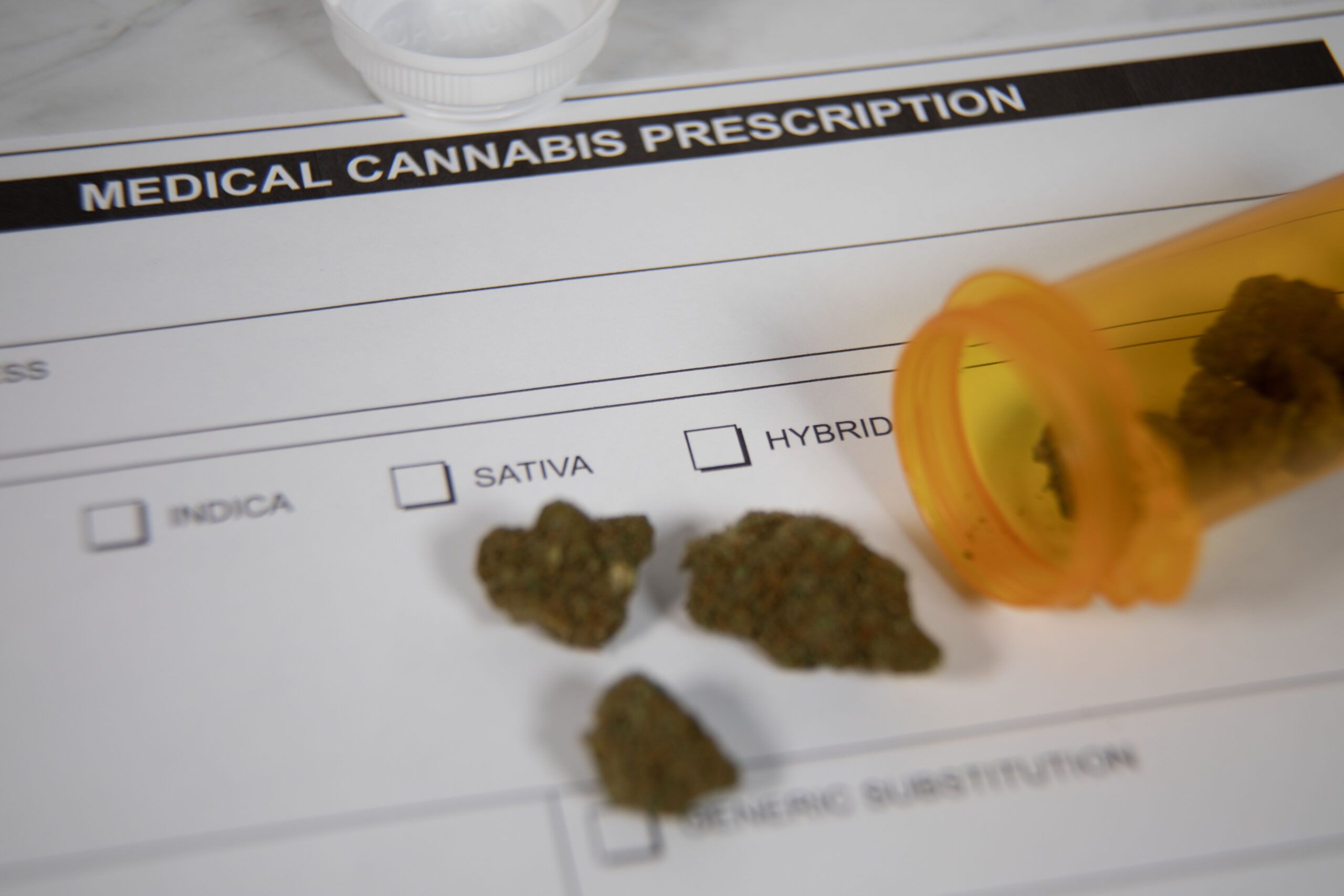
Medical cannabis refers to the therapeutic use of cannabis-derived compounds, known as cannabinoids, to help manage certain medical conditions under professional supervision. The two most widely studied cannabinoids are tetrahydrocannabinol (THC), the psychoactive compound responsible for the “high” associated with cannabis use, and cannabidiol (CBD), a non-intoxicating cannabinoid that has gained significant attention for its potential anti-seizure properties [8]. In pediatric epilepsy treatment, researchers and healthcare providers primarily focus on CBD for childhood seizures because it appears to offer seizure-reducing effects without the psychoactive impact commonly linked to THC [2]. One of the most important developments in cannabis and seizure disorders was the FDA approval of Epidiolex, a purified CBD oral solution approved for treating seizures associated with Dravet syndrome, Lennox-Gastaut syndrome, and tuberous sclerosis complex [9]. Although medical cannabis for pediatric epilepsy continues to show promise in clinical settings, experts emphasize that cannabis-derived therapies should only be used under the guidance of qualified healthcare professionals due to dosing considerations, product quality concerns, and potential drug interactions [4].
Read More: What Is the Difference Between THC and CBD?
Scientific Evidence and Clinical Research
Scientific research on medical cannabis for pediatric epilepsy has expanded significantly over the past decade, with multiple clinical trials demonstrating the potential effectiveness of cannabidiol (CBD) in reducing seizure frequency among children with treatment-resistant epilepsy [4]. Some of the most influential studies involving Dravet syndrome and Lennox-Gastaut syndrome found that patients receiving CBD experienced a meaningful reduction in convulsive seizures compared to placebo groups, helping establish CBD for childhood seizures as a legitimate area of neurological research [2]. These findings contributed to the FDA approval of Epidiolex, the first cannabis-derived prescription medication approved for severe pediatric seizure disorders [9]. In addition to seizure reduction, some observational studies have reported improvements in sleep, mood, and overall quality of life among pediatric epilepsy patients using CBD-based therapies [10]. However, researchers caution that limitations still exist, including small sample sizes, variability in cannabis formulations, and limited long-term safety data regarding cannabis and seizure disorders in children. Ongoing medical research continues to evaluate the safety, efficacy, dosing standards, and neurological effects of long-term cannabidiol use in pediatric populations [1].
Benefits and Risks of Medical Cannabis in Children
Research surrounding medical cannabis for pediatric epilepsy suggests that cannabidiol (CBD) may offer meaningful therapeutic benefits for some children living with severe seizure disorders, particularly those with treatment-resistant epilepsy [4]. Clinical studies involving CBD for childhood seizures have demonstrated reductions in seizure frequency, with some patients also experiencing improvements in sleep quality, mood, daily functioning, and overall quality of life [2]. These outcomes have contributed to growing medical interest in cannabis and seizure disorders, especially among families seeking alternatives after conventional anti-seizure medications fail to provide adequate seizure control. However, medical experts caution that cannabis-derived therapies are not without risks. Reported side effects associated with CBD treatment include fatigue, diarrhea, drowsiness, appetite changes, and elevated liver enzymes, particularly when used alongside other anti-epileptic medications [1]. Researchers also continue to investigate the potential long-term neurological and developmental effects of cannabinoid use in children, emphasizing the need for physician oversight, careful dosing, and continued clinical monitoring [8]. While current evidence supporting cannabidiol for children is promising, healthcare providers stress that treatment decisions should always be based on individualized medical evaluation and evidence-based care.
Read More: CBD dosing for Therapeutic Application
Legal, Medical, and Ethical Considerations
The use of medical cannabis for pediatric epilepsy remains a complex issue shaped by evolving laws, medical regulations, and ethical concerns. Although many U.S. states permit the use of cannabis-derived treatments for qualifying seizure disorders, regulations surrounding cannabidiol for children and medical cannabis access vary significantly by jurisdiction [11]. Healthcare professionals emphasize that CBD for childhood seizures should only be administered under the supervision of a qualified physician due to potential medication interactions, dosing concerns, and variability in product quality [3]. Ethical discussions surrounding cannabis and seizure disorders in children often focus on balancing compassionate care for treatment-resistant epilepsy with the limited availability of long-term pediatric safety research [12]. Medical organizations including the American Academy of Pediatrics continue to encourage evidence-based treatment decisions and further scientific research into cannabinoid therapies for pediatric epilepsy [13].
Conclusion
Current research surrounding medical cannabis for pediatric epilepsy suggests that cannabidiol (CBD) may offer meaningful benefits for some children living with treatment-resistant seizure disorders, particularly those diagnosed with Dravet syndrome and Lennox-Gastaut syndrome [4]. Clinical studies involving CBD for childhood seizures have demonstrated promising reductions in seizure frequency, contributing to the growing acceptance of cannabis-derived therapies within evidence-based neurological care [2]. However, healthcare professionals continue to stress that medical cannabis treatments should only be used under physician supervision due to potential side effects, medication interactions, and the need for additional long-term pediatric safety research [3].
References
- [1] Cannabidiol in Patients with Treatment-Resistant Epilepsy https://www.nejm.org/doi/full/10.1056/NEJMoa1611618
- [2] Trial of Cannabidiol for Drug-Resistant Seizures in the Dravet Syndrome https://www.nejm.org/doi/full/10.1056/NEJMoa1611618
- [3] FDA Regulation of Cannabis and Cannabis-Derived Products, Including Cannabidiol (CBD) https://www.fda.gov/news-events/public-health-focus/fda-regulation-cannabis-and-cannabis-derived-products-including-cannabidiol-cbd
- [4] Cannabidiol for Treatment-Resistant Epilepsy in Children: A Systematic Review and Meta-analysis https://pubmed.ncbi.nlm.nih.gov/35830160/
- [5] Epilepsy Fast Facts https://www.cdc.gov/epilepsy/data-research/facts-stats/index.html
- [6] Drug-Resistant Epilepsy https://www.epilepsy.com/what-is-epilepsy/seizure-types/drug-resistant-epilepsy
- [7] Lennox-Gastaut Syndrome and Dravet Syndrome Overview https://www.ninds.nih.gov/health-information/disorders
- [8] Cannabis (Marijuana) and Cannabinoids: What You Need To Know https://www.nccih.nih.gov/health/cannabis-marijuana-and-cannabinoids-what-you-need-to-know
- [9] FDA Approves First Drug Comprised of an Active Ingredient Derived from Marijuana to Treat Rare, Severe Forms of Epilepsy https://www.fda.gov/news-events/press-announcements/fda-approves-first-drug
- [10] Use of Cannabidiol in the Treatment of Epilepsy: Efficacy and Security in Clinical Trials https://pmc.ncbi.nlm.nih.gov/articles/PMC6514832/
- [11] State Medical Cannabis Laws https://www.ncsl.org/health/state-medical-cannabis-laws
- [12] Ethical Issues in Medical Cannabis Use for Pediatric Epilepsy https://journalofethics.ama-assn.org/article/medical-marijuana-pediatric-conditions/2015-06
- [13] American Academy of Pediatrics Policy Statement on Cannabis Use in Children and Adolescents https://publications.aap.org/pediatrics/article/135/3/584/75816/The-Impact-of-Marijuana-Policies-on-Youth-Clinical